Marayoor Sandalwoods
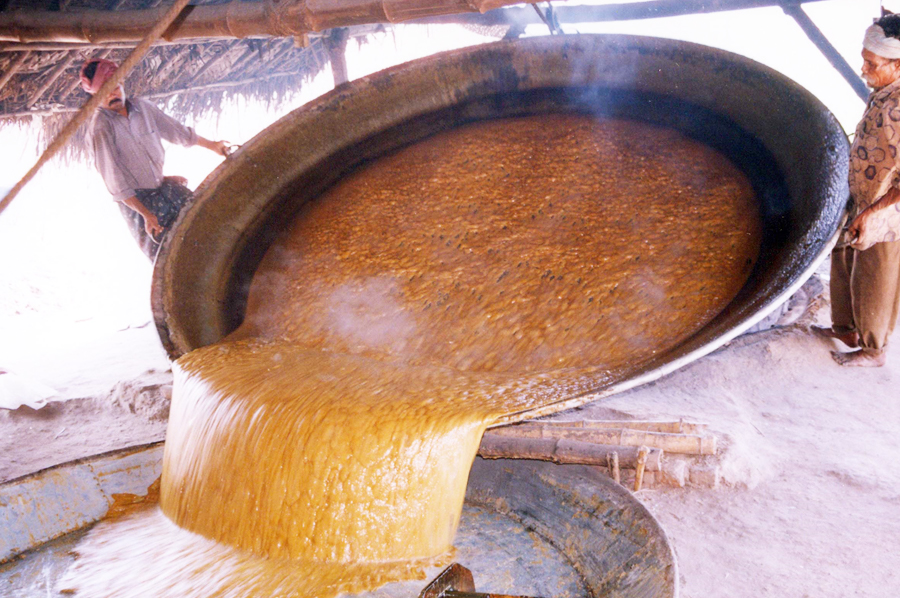
Marayoor is the only place in Kerala that has natural sandalwood forests and the vast sugarcane farms, known for the best variety of solid molasses. This dense jungle is located around 12 kms from Kanthalloor and 40 kms from Munnar, on the eastern side of the Western Ghats and is bordered by the neighbouring state Tamil Nadu.
The etymology of the name Marayoor itself takes us back to two millennia. One of the most accepted observations is that the name owes its origin to Maravars, a tribal community who lived here during the turn of Christian era. ‘Ooru’ means village. So Marayoor is the village of Maravars. Maravars were the traditional members of the army of tribal chiefs, and the Maharajas of Chera, Chola and Pandya.
Marayoor has a history that dates back to the Stone Age civilization that is as old as 10,000 B.C.E. At Marayoor you are welcomed by the silent tombs of primeval times - the dolmens. The dolmenoids (burial chambers made of huge stones), also known as muniyaras, belong to the Iron Age. There are a dozen numbers of such dolmens near the old Thenkasinathan Temple on the banks of the River Pambar at Marayoor. Several Stone Age dolmens can also be found on the left side of River Pambar.
Ancient rock paintings are another feature that adds to the rich heritage of Marayoor. Attala, Ezhuthu Guha, Kovilkadavu and Manala in Marayoor panchayath are some of the places where one can find these abstract art works of ancient times. More than 90 painted motifs can be seen in Attala where these paintings are situated in a colossal east facing rock shelter some 1,500 meters above mean sea level. Most of the paintings at Attala are abstract designs except for a few human and animal figures. Ezhuthu Guha rock paintings are sited in the Koodakavu Sandalwood Reserve Forest at Marayur in the Marayur Panchayat at an elevation of 1000 meters above mean sea level. More or less 90 painted motifs can be seen here. However, as the place is the most famous rock art site in Kerala, it attracts a large number of visitors and has been extensively vandalized since it was brought to wide public attention. Kovilkadavu is less than five kilometers from Marayur town and the place is famous for Neolithic dolmens and rock paintings. Ten 10 painted motifs are located on the south-western slope of the plateau overlooking the Pambar river. There is a rock painting at Manala in Chinnar Wildlife Sanctuary of Marayur near the Alampetty tribal settlement.
Marayoor is also known for a natural sandalwood forest here. So attractive and useful are these forests that even the memories carry a sweet fragrance. Sandalwood oil, popularly called as “liquid gold,” has always been a fascination for tourists from across the globe. Sandalwood sculptures, though expensive, are also a popular souvenir item of Kerala. Sandalwood has several medicinal properties and is used as a remedy for skin problems, digestive complications, nausea and gastritis.